Overview
There are three ways to authenticate your app with The Movie Database (TMDB) API. They include the following:- Application level authentication (ALA) - Default method.
- User authentication.
- Guest sessions.
- ALA
- User authentication
- Guest sessions
Application level authentication would generally be considered the default way of authenticating yourself on the API.
You can authenticate with either your
api_key, or by using your access_token as a bearer token.Access Token
The default method to authenticate is with youraccess_token. This token is expected to be sent along as an Authorization header.
A simple cURL example using this method looks like the following:Example
API Key
The API Key is the second authentication method. Although, it cannot be used for all endpoints. Use theapi_key over the access_token only when you really need to. For example, the Get account details endpoint uses an API Key.
A simple cURL example using the api_key looks like the following:Example
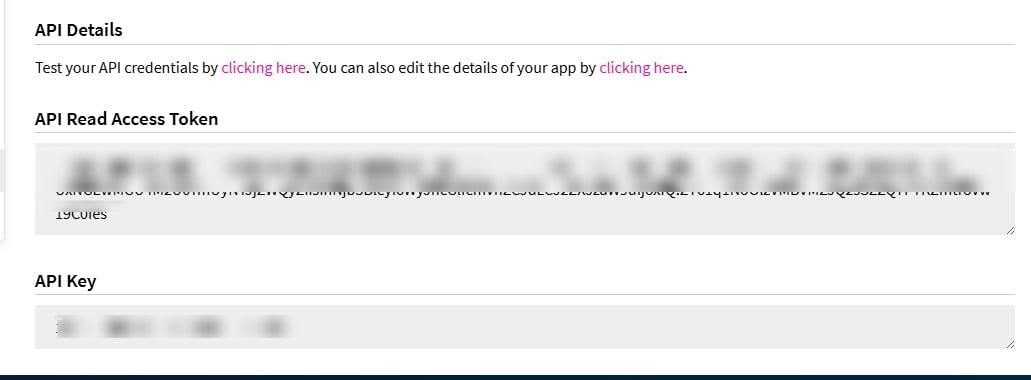
How to get authentication credentials (API key and bearer token)
Please note that the API registration process is not optimized for mobile devices so you should access these pages on a desktop computer and browser.
2
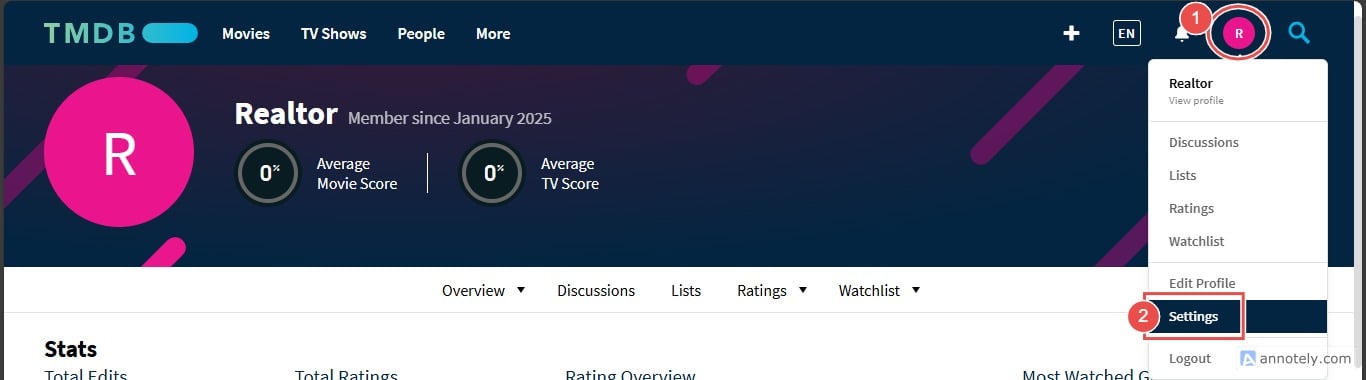
Click your profile icon at the top right corner and select settings
Click to view image
Click to view image
3
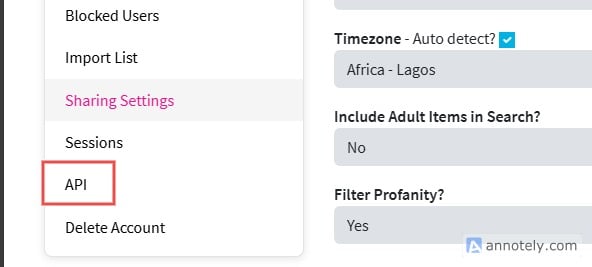
Select the API tab on the settings page
Click to view image
Click to view image
4
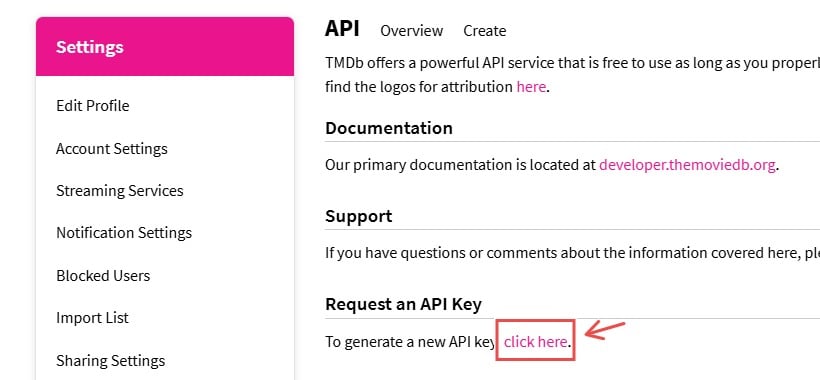
Tap 'click here' under 'Request an API Key'
Click to view image
Click to view image
5
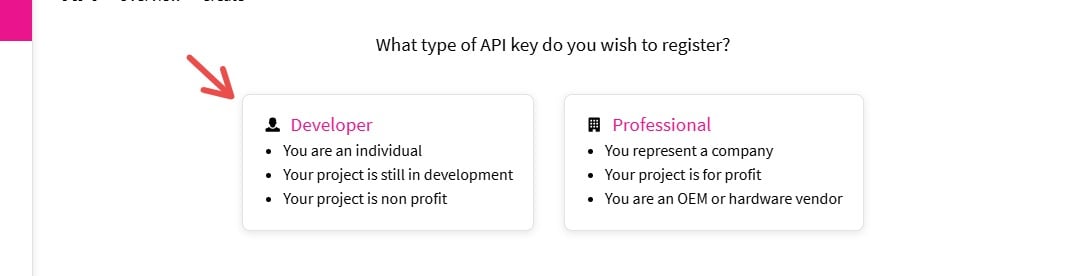
Select the developer option (suitable for starters or non-profit use)
Click to view image
Click to view image
6
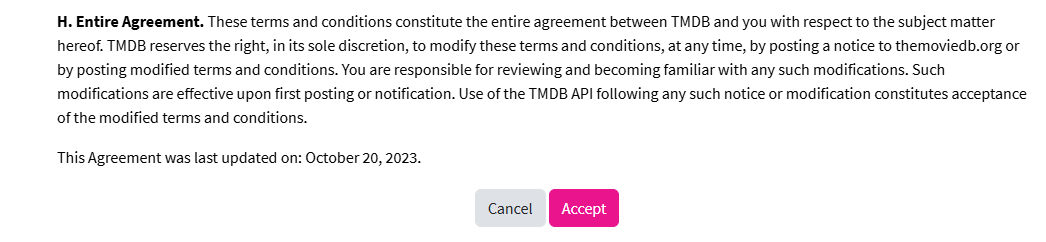
Agree to the Terms of service
Click to view image
Click to view image
7
Fill in the application form on the new page (you can use any of your social links as the website URL)
Click to view image
Click to view image